Love Doesn’t Stop at the Fence
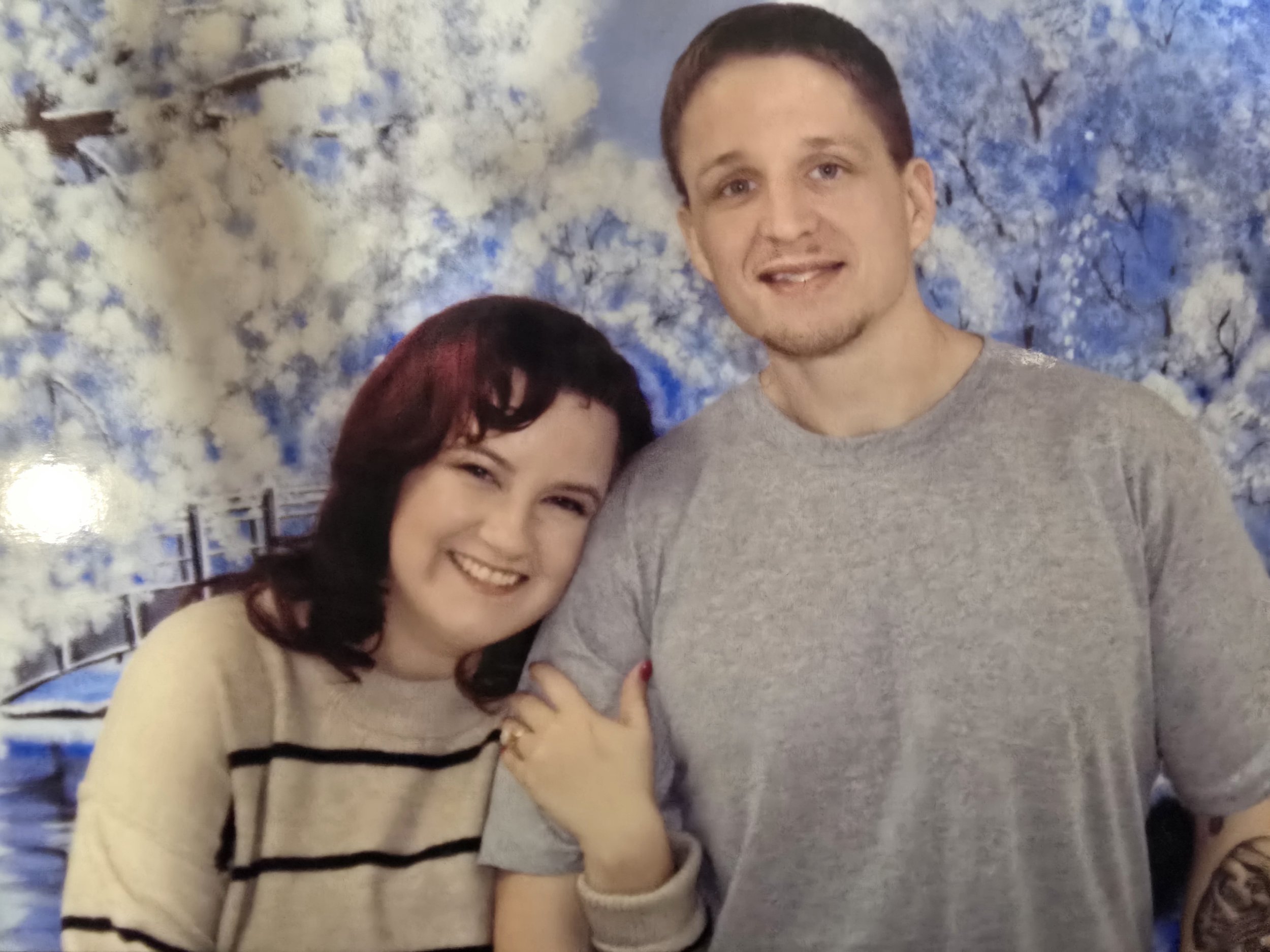
The first thing I learned about staying connected to the people I love is that it doesn’t happen by accident. Distance doesn’t just stretch a relationship. It tests every part of it, and it does so quietly, one missed call and one long silence at a time.
More than a decade into my sentence, I’ve both observed and learned a lot about relationships with incarcerated loved ones. Friends drift. Some family members don’t know what to say, so they stop saying anything. Nobody warns you that the sentence isn’t only yours. Your family serves it with you, on the outside, in ways nobody sees.
I came in at eighteen, and I’ve been building a life from in here ever since. My wife, Kay, and I built our relationship mostly over the phone, and anyone who has done that through a prison phone line knows what it does. The calls are short and the clock is always running, so you learn to say what matters first. You listen closely, because a voice is all you get.
Those calls led to visits, and the visits led to a proposal in the middle of a visitation session. Standing before a judge for my sentencing is nothing compared to kneeling before Kay and waiting for her to stop gasping long enough to say yes. That led to our wedding. Today we run this site together, planning next steps and checking our progress over the phone, even as we work on our marriage and on supporting each other.
I don’t say that to hold us up as an example. I say it because I’ve learned a few things about staying connected that I wish someone had told me earlier.
Consistency matters more than grand gestures. A short call or letter every week does more than a long one every few months. The people who love you are waiting to find out whether you’re still there, and showing up regularly answers that better than anything you could say.
The outside carries more than the inside admits. I can tell you what my days look like, but Kay is the one driving to visits, filling out paperwork, and keeping a household running alone. If you’re on the inside, say thank you out loud, and say it often. If you’re on the outside, you’re allowed to be tired.
Practical things are part of love. A visit takes planning. There’s an application to get approved, a dress code to follow, and rules that change from one facility to the next. Kay put together a Visitation Checklist for exactly that reason. It’s a lot easier to be present with someone when you’re not afraid of being turned away at the door.
You don’t have to do this alone. There are organizations built for families in this position, and the Resources page is a good place to start. If you don’t know where to begin, dial 211.
I won’t pretend this is easy. It isn’t, and some relationships won’t survive the distance. But the ones that do have taught me something I didn’t understand at eighteen: connection is a practice, not a feeling. It’s something you choose again every week, with a phone call or a letter and a willingness to keep showing up.
If someone you love is inside, call or write them today. If you’re inside, reach out to the people at home. It doesn’t have to be long.
— Brandon